Carbon Market Position Review
Understand where you stand before making carbon-related decisions.
- Carbon market exposure and opportunity mapping
- Credit eligibility and project-fit assessment
- Clear action plan: buy, develop, partner, or pause
Carbon intelligence & advisory
Carbonsai provides independent advisory for companies, project developers, and climate technology firms navigating voluntary carbon markets.






Our services
Understand where you stand before making carbon-related decisions.
Turn carbon market ambition into a practical route to market.
Prepare carbon projects and climate technologies for market engagement.
Strategy call application
Tell Carbonsai what you are trying to achieve and what support you need. The first step is a focused assessment call.
Strategy call application
Tell Carbonsai what you are trying to achieve, where you are in the process, and what support you need now. The first step is a focused assessment call before any scope is proposed.
Step 1 of 6
Thank you
Carbonsai has received your strategy call application. The team will get in touch within the next 24 hours.
You can also book a 30-minute call directly below.
About the founder
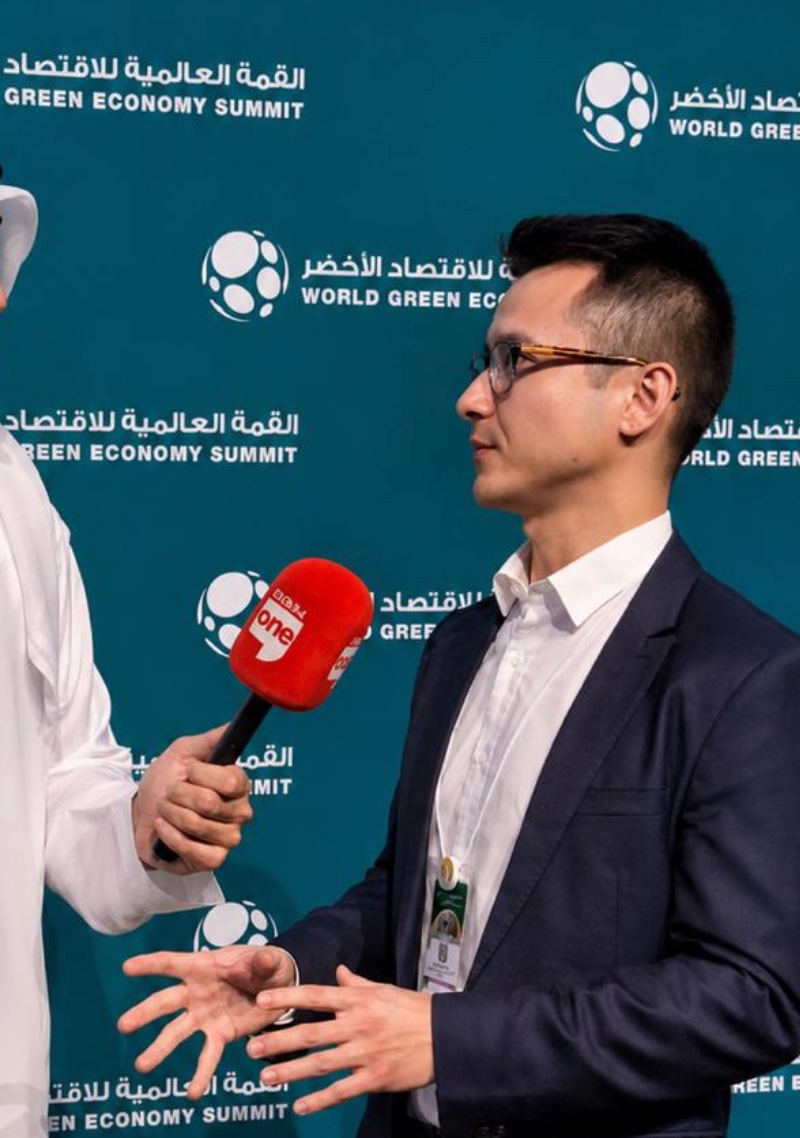
Carbonsai is led by Marcin Nguyen, an independent advisor who has worked with project developers, buyers, investors, and government stakeholders across APAC, the Middle East, Africa, and Europe.
The work combines voluntary carbon markets, Article 6 engagement, MRV, blue carbon, climate technology positioning, and cross-border business development — from diagnosis through to execution.
Credentials
“The focus is not producing long reports for the sake of reporting. The focus is clear diagnosis, practical options, usable materials, and better carbon market decisions.”
Why we are different

Clients work directly with one advisor for faster communication, clearer accountability, and less consulting overhead.

Experience coordinating stakeholders and workshops across more than 200 organizations.

Practical exposure across voluntary carbon markets, Article 6 engagement, MRV, blue carbon, removals, and commodities.

Business development and project positioning support for climate technology, buyers, partners, and regional market entry.

Support across project narrative, methodology pathways, MRV readiness, partner materials, and buyer-facing communication.

The work is built around diagnosis, practical options, usable materials, and better carbon market decisions.
Carbon market journey
Clarify your current carbon market position before committing budget or making claims.
Build a credible strategy around market route, claims, stakeholders, and commercial priorities.
Prepare projects or technologies so external parties can understand the value and credibility.
Support commercial conversations with buyers, partners, investors, and other stakeholders.
Coordinate practical next steps toward market outcomes and decision-ready execution.
Frequently asked questions
Carbonsai starts with an assessment call to understand your situation, objectives, constraints, and the specific carbon market problem you are trying to solve.
After that, Carbonsai defines the service scope and prepares a proposal covering the work required, expected outputs, timeline, and engagement model.
The engagement can be structured in different ways depending on the need:
The goal is to define the right level of support before work begins, so the engagement is practical, focused, and commercially useful.
Carbonsai is direct, flexible, and execution-focused.
Clients work directly with one advisor, not a large consulting team. This allows faster communication, clearer accountability, and closer involvement across strategy, commercial positioning, partnerships, and internal coordination.
Carbonsai can work across departments and become an extension of your team when needed, supporting management, commercial, sustainability, project, and partnership discussions.
The focus is not producing long reports for the sake of reporting. The focus is clear diagnosis, practical options, usable materials, and better carbon market decisions.
Carbon markets allow companies, governments, and other organizations to finance emission reductions or carbon removals through carbon credits or allowances.
There are two main types:
Voluntary carbon markets
Companies or individuals buy carbon credits voluntarily to support climate goals, offset emissions, make climate claims, or finance projects.
Compliance carbon markets
Regulated companies must comply with government rules, emissions caps, carbon pricing systems, or allowance schemes.
The main difference is obligation. Compliance markets are regulation-driven. Voluntary markets are demand-driven by corporate climate strategy, reputation, internal targets, and buyer preference.
Carbon markets involve several groups:
Governments
Set policy, regulation, national climate targets, authorization rules, and Article 6 frameworks.
Project developers
Develop carbon projects such as nature-based solutions, renewable energy, methane reduction, carbon removal, clean cooking, blue carbon, or industrial decarbonization.
Standards and registries
Provide methodologies, registration systems, validation rules, verification processes, and credit issuance infrastructure.
Buyers
Corporates, institutions, and sometimes governments buying credits for climate strategy, offsetting, claims, or compliance-related purposes.
Traders, brokers, and retailers
Help move credits between suppliers and buyers, support market access, structure deals, and provide pricing or procurement support.
MRV providers and validators/verifiers
Support measurement, reporting, verification, project monitoring, and independent assessment.
Carbon markets only work when these players align around credibility, documentation, pricing, claims, and execution.
A company can involve a carbon market advisor at any stage.
The most useful moment is often early, before committing budget, announcing claims, buying credits, selecting a registry route, signing project partnerships, or presenting a project to buyers.
An advisor can help clarify where the company stands, what options are realistic, what risks exist, and what the next practical steps should be.
Carbonsai first defines the right level of support, expected outputs, timeline, and engagement model.